


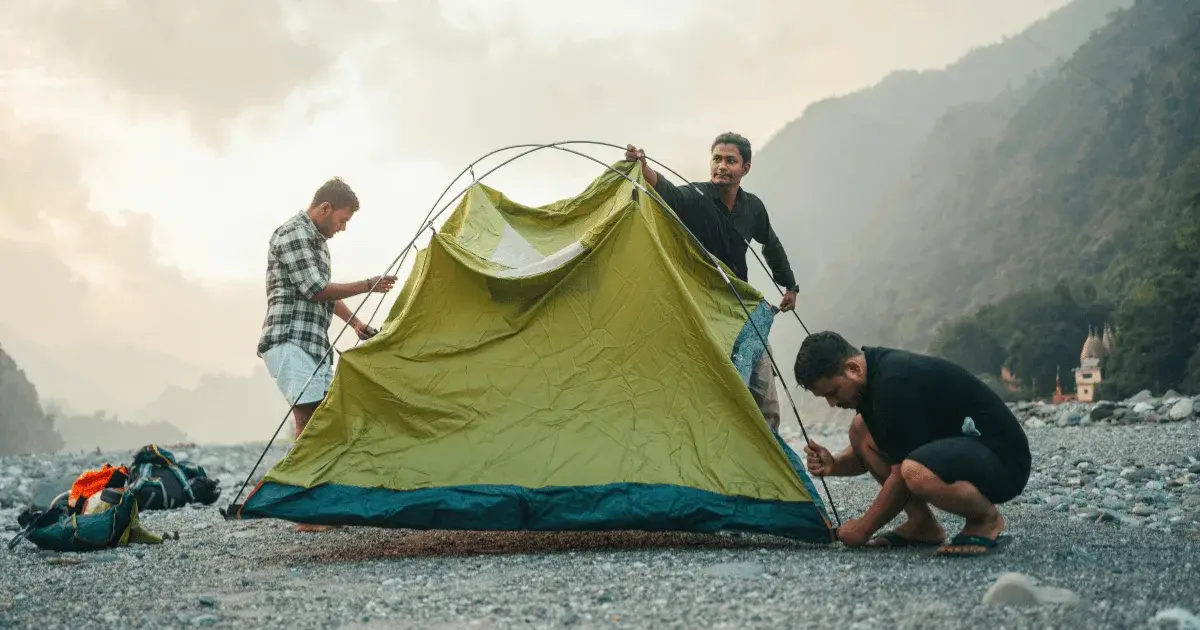
Imagine a customer returning a week early from their backcountry trip, visibly frustrated.
They rented a high-end four-person tent, but on the first night, the main zipper failed completely. They spent two miserable nights exposed to the cold — and a sudden mountain shower soaked their sleeping bags and gear.
Now they’re demanding a full refund and threatening to leave scathing online reviews. If you’ve worked in outdoor gear retail long enough, this scenario isn’t hard to imagine. And it started with one missed inspection.
One missed inspection can turn your customer’s dream trip into a safety hazard — and put your shop in the middle of it.
Strong outdoor gear maintenance starts with solid systems. The right POS can keep inspections on track and close the gaps that lead to missed checks, incomplete documentation, or costly liability claims.
Here are six ways to protect your shop and your customers — from inspections and staff training to customer communication and insurance.
1. Know Your Legal Liabilities for Outdoor Gear Maintenance
When a customer rents gear from your shop, they’re trusting you to send them out safely. That trust carries legal weight — and it starts with understanding your duty of care.
In a legal context, duty of care refers to an obligation to protect the safety and well-being of others.
For your shop, that means taking reasonable steps to prevent foreseeable harm to your customers. Specifically, it requires that you:
- Provide safe equipment: Every piece of gear rented must be in good working condition, free from known defects, and properly maintained through regular safety checks.
- Warn of risks: Inform customers of potential dangers associated with the equipment’s proper use and environmental limitations.
- Address known defects: If a piece of gear is subject to a recall or has a known safety issue, remove it from circulation immediately and follow the manufacturer’s recall process.
If a customer is injured due to equipment failure that a routine inspection could have prevented, your shop may be found in breach of this duty and held legally responsible.
That outcome hinges largely on whether you took reasonable, documented steps to prevent harm — which is why consistent outdoor gear maintenance and safety checks matter as much as they do.
2. Establish Reliable Inspections for High-Use Rentals
Rental gear like tents, climbing harnesses, inflatable kayaks, and trekking poles needs regular inspections to stay safe and field-ready. Wear and tear like frayed straps, jammed zippers, or weakened seams isn’t always visible at first glance — and if ignored, those small flaws can become serious hazards.
Follow these steps to establish an inspection routine:
- Define checkpoints by gear type: Identify what needs to be checked for each item. For example, confirm regulator airflow on scuba gear, strap integrity on climbing harnesses, or valve function on inflatable kayaks.
- Inspect gear before and after each rental: Check for visible wear, missing parts, or stress points during pickup and return. Add inspection steps to your rental checklist and require staff to sign off before items go back on the shelf.
- Schedule inspections on a fixed rotation: Assign inspection dates based on season, usage rate, or gear type to keep maintenance on track — even during off-season or slow periods.
Inspections are also a chance to build customer confidence. Walk them through the gear, attach a maintenance tag, or include a note outlining what was checked so they head out knowing it’s field-ready and professionally maintained.
3. Keep Detailed Maintenance Records
Inspection routines are only as strong as the records behind them. Without a clear history, you can’t prove when gear was last serviced, repaired, or retired — leaving you with no documentation to stand on if something goes wrong.
Strengthen your outdoor gear maintenance process with detailed records:
- Note inspection outcomes for each item: Include what was assessed, the gear’s condition, and whether it passed, required repair, or was pulled from inventory.
- Maintain a repair and service file for every item: Track repairs, cleanings, and part replacements with dates and technician details. Build a running history that documents the gear’s full service life.
- Store your internal checklists and service timelines: Keep copies of the procedures your team follows to show that inspections are a consistent part of your routine.
Saving all of this in your point of sale (POS) system gives your team instant access to each item’s maintenance history — right when they need it.

4. Invest in Staff Training and Certification Programs
Your team is the first line of defense against unsafe rentals. Every person handling gear needs to know what to look for, how to spot potential failure points, and when to pull an item before it becomes a hazard.
To improve your team’s readiness:
- Create gear-specific training guides: Teach staff how to inspect, clean, and store each gear type. Include visual references and real examples so everyone knows what a “pass” or “fail” looks like in practice.
- Certify senior staff through third-party programs: Enroll team leads in formal training with the American Mountain Guides Association (AMGA) or the National Outdoor Leadership School (NOLS) — so your shop is grounded in current safety and equipment standards.
- Refresh training seasonally: Offer sessions at the start of each busy season, like spring camping or late-summer paddling. Review new equipment, updated protocols, and past customer issues to catch problems before they repeat.
Record staff training in your POS system to document that maintenance procedures are consistently taught and reinforced.
5. Communicate Gear Rental Policies to Customers
Managing liability starts with making sure customers know how to use equipment safely and what they’re responsible for once it leaves your shop. Cover the basics, outline the limitations, and keep a record of what was shared.
Communicate the following with every rental:
- Include setup guides for each piece of gear: Attach printed cards or QR codes with clear, step-by-step instructions for tents, stoves, water gear, or anything that requires assembly or operation.
- Explain limits during pickup: Highlight weight, terrain, or weather limitations for gear like snowshoes, bike racks, or rooftop tents — so renters understand exactly when and where their equipment is safe to use.
- Send follow-up emails for multiday rentals: Add safety reminders and a direct contact in case anything comes up while they’re out.
Always require signed rental contracts before gear leaves the shop. Store them with each rental record to protect your business if a claim arises.
6. Carry the Right Insurance for Gear Rentals
Accidents can still happen even with solid outdoor gear maintenance routines and well-trained staff. Shops renting out camping gear, bikes, climbing equipment, or watercraft need coverage that protects against equipment damage and injuries — before an incident turns into a financial crisis.
Build out your coverage with these essentials:
- Include general liability coverage: Cover claims for customer injuries while using rented equipment — medical expenses, property damage, and other related losses.
- Add property coverage for high-value items: Protect against stolen, lost, or damaged equipment so a single accident doesn’t hit your operating budget.
- Check for exclusions in your policy: Flag any limitations tied to specific activities or gear types so you’re not caught without coverage when a claim comes in.
One accident without the right coverage can be financially devastating. The right policy protects your shop and gives you a clear path forward if a staff member or customer is injured during a rental.
Support Outdoor Gear Maintenance and Safe Rentals With Rezo Systems
Strong outdoor gear maintenance depends on having the right systems in place. A rental store POS system can keep inspections on track and help prevent missed checks, incomplete documentation, or costly liability gaps.
Rezo is built for gear rental operations, with tools that support every step of your maintenance process. Schedule inspections, log repairs by item, and track staff training — all without digging through paper files. Built-in liability storage keeps waivers connected to each transaction so your documentation is always where you need it.
Check out our pricing page to customize your setup and see how Rezo helps simplify inspections and build customer trust.
